Maximize Your Online Store Performance: Top Conversion Rate Strategies

Anúncios
Intuitive design and simple navigation for better usability
To optimize the user experience (UX) in your online store, it’s essential to start with intuitive design and simple navigation.
A clear, organized layout lets visitors quickly find the products they want. That includes well-structured menus and logically defined product categories.
Anúncios
The key is to minimize visual complexity and eliminate any unnecessary elements that could distract or confuse users.
Page load speed and mobile optimization
Page load speed is another crucial UX factor. Slow pages can frustrate visitors and lead them to leave the site.
Use tools like Google PageSpeed Insights to identify areas that need improvement and optimize your site’s performance.
Anúncios
Image compression, CSS and JavaScript minification, and using a content delivery network (CDN) are some of the techniques that can speed up page loading.
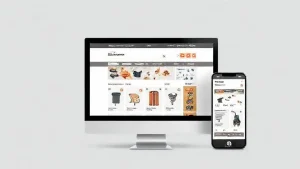
In addition, mobile optimization is indispensable. With a growing number of users accessing online stores from smartphones and tablets, your site must be responsive and work flawlessly on every screen.
That includes a flexible design that automatically adjusts to the device size, ensuring a consistent, pleasant browsing experience.
Responsive layout and clearly organized product categories
A responsive layout is designed to deliver a seamless user experience no matter which device is being used. That means every element on the site, such as images, text, and buttons, adjusts fluidly to the screen size.
Responsiveness not only improves usability but also directly influences conversion rates, since customers are more likely to complete purchases on sites that work well on their mobile devices.
Organizing your product categories also deserves special attention.
Make sure categories are clear and intuitive so shoppers can easily find what they want. Use clear headings and accurate descriptions for each section to help customers navigate effortlessly.
Implementing these UX practices not only improves customer satisfaction but also increases your chances of conversion, creating a solid foundation for the digital marketing and continuous optimization strategies that follow.

Visual Product Presentation
High-quality images showing products from different angles
Images play a vital role in consumers’ purchase decisions. Using high-quality images that show products from different angles can significantly increase your conversion rate.
Strong product visuals help highlight important details and let customers make informed decisions. It’s essential to make sure images are clear, sharp, and capture the essence of the product.
Lifestyle photos showing the product in use
Beyond detailed images, including photos that show products in use can be extremely beneficial.
These images help customers picture how the item fits into their lives, giving them a better understanding of its functionality and practical use.
When shoppers see a product in a real-world context, they can imagine themselves using it, which can positively influence their purchase decision.
Optimizing images for SEO with proper descriptions and tags
To improve your site’s visibility in search engines, it’s crucial to optimize every image for SEO.
That includes adding detailed descriptions and relevant alt tags to each image.
These descriptions need to be accurate and informative, highlighting the product’s main attributes. Using appropriate keywords without overdoing it can increase your chances of attracting organic traffic.
Image optimization ensures your images are easy to find in search engines, expanding your store’s reach and visibility.
Effective visual product presentation is essential for attracting visitors and converting them into customers. With high-quality images, lifestyle photos, and a well-executed SEO strategy, your products can stand out, making the purchase decision easier for shoppers.
Effective Digital Marketing Strategies
To turn visitors into loyal buyers, implementing effective digital marketing strategies is crucial.
Each tactic needs to be well planned to reach the right audience and deliver measurable results. Let’s explore three essential strategies to increase your conversions.
Implementing SEO and Targeted Email Marketing Campaigns
SEO (Search Engine Optimization) is a fundamental starting point.
Make sure your site is optimized for relevant keywords, since this improves visibility in search engines. Use detailed product descriptions and image alt tags to boost SEO.
Tools like Google Analytics can help you monitor performance and adjust your strategies as needed.
Email marketing campaigns are also vital. Send segmented, personalized communications to your customers.
Use information such as purchase history or on-site behavior to create relevant messages that encourage engagement and purchases.
Using Remarketing to Win Back Visitors
Remarketing is an effective strategy for reaching visitors who didn’t complete their purchases. Use personalized ads on platforms like Google Ads and Facebook to remind these users of the products they viewed.
This increases your chances of conversion by keeping your store top of mind.
Precise Audience Targeting in Paid Campaigns
To maximize return on investment, it’s essential to target your audience precisely.
Use demographics, interests, and buying behavior to create targeted ads.
Platforms like Facebook Ads and Google Ads offer advanced targeting tools that let you reach the right users at the right moment, significantly increasing your chances of conversion.
With these strategies, you can build a strong, effective digital presence and set the stage to showcase your offers and promotions.
Strategic Promotions and Offers
Offers and promotions are essential for motivating shoppers to make quick decisions and complete their purchases.
Here are three key practices for implementing these strategies effectively.
Creating a Sense of Urgency with Limited-Time Offers
One of the most effective tactics for converting visitors into customers is creating a sense of urgency.
Limited-time discounts, free shipping for 24 hours, or “buy one, get one” offers are classic examples that speed up the buying journey.
When offers have an expiration date, shoppers tend to act faster so they don’t miss out.
To maximize impact, it’s important to communicate these offers clearly and prominently on the site, using attractive banners and eye-catching pop-ups.
Personalizing Promotions Based on Customer History
Personalization is a powerful tool for making promotions more effective. By using data on customers’ past buying behavior, you can create more relevant and therefore more appealing offers.
For example, if a customer recently bought an item from a specific category, offering a discount on complementary products can encourage new purchases. This approach not only improves the user experience but also increases the chances of conversion.
Communicating Offers Clearly and Prominently on Your Site
How offers are presented on your site can make a big difference in their effectiveness.
Make sure every promotion is communicated clearly and visibly. Use visual tools like banners, discount badges, and prominent notifications to catch visitors’ attention.
Contextual pop-ups can also be effective, but they should be used sparingly so they don’t hurt the user experience.
Implementing these promotion strategies not only improves conversion rates but also contributes to customer satisfaction and loyalty.
Simplifying the Checkout Process
Fewer Required Fields and a Guest Checkout Option
One of the biggest obstacles shoppers face when buying online is a complicated checkout process. To improve conversion rates, reducing the number of required fields is essential.
The less information customers have to provide, the more likely they are to complete the purchase. In addition, offering guest checkout, with no need to create an account, can significantly simplify this step.
Transparency About Additional Costs From the Start
Surprises at the end of the buying process, such as extra shipping costs and taxes, can lead to cart abandonment. To prevent this, be transparent about all costs from the start.
Clearly showing the total purchase amount, including any extra fees, builds trust and ensures customers aren’t caught off guard at the last step.
Diversifying Payment Options
To serve a diverse audience, it’s crucial to offer multiple payment methods. Beyond traditional methods like credit and debit cards, consider adding options such as PayPal, bank transfers, and buy now, pay later services.
The more payment options you offer, the more customers will be able to complete their purchases conveniently.
Simplifying the checkout process by reducing friction and being transparent and flexible is key to optimizing the user experience and increasing conversions.
Building Credibility
Incorporating Customer Reviews and Testimonials
Incorporating customer reviews and testimonials is an essential strategy for building credibility in an online store. By including real, honest feedback from customers who have already bought and used your products, you increase new visitors’ trust.
Positive reviews can confirm the quality of the product and service, while constructive criticism shows the company’s commitment to improvement.
Ideally, product pages should include a section where customers can leave reviews and read about others’ experiences.
This not only helps shoppers make decisions but also contributes to brand transparency and authenticity.
Displaying Security Badges and Certifications
Showing security badges and certifications on your site is another crucial component for increasing customer trust.
E-commerce sites often handle sensitive consumer information, such as financial and contact details. So displaying recognized security badges, such as SSL and PCI, can confirm that the site follows strict security standards.
In addition, if your store holds any quality certifications, displaying them prominently reinforces the perception of trust and professionalism. These badges not only help reassure customers that their transactions are secure but also demonstrate the company’s commitment to high-quality practices.
Efficient, Omnichannel Customer Service
Efficient, omnichannel customer service is essential for building and maintaining an online store’s credibility.
Offering multiple communication channels, such as live chat, email, and phone, gives customers several options for getting in touch.
That way, they can choose the most convenient way to solve their problems or get answers to their questions.
It’s also important for support to be fast and effective. Responding promptly to customer requests significantly improves the shopping experience and can lead to positive recommendations and greater loyalty.
A detailed FAQ section can also considerably reduce the volume of requests while giving customers immediate answers.
With these practices, you build a strong foundation of trust and loyalty among your customers, improving the overall perception of your brand.
Ongoing Analysis and Optimization
Monitoring Key Metrics
Continuously analyzing key metrics is fundamental to understanding consumer behavior and identifying areas for improvement in your online store.
Analytics tools like Google Analytics can provide valuable insights, including:
| Metric | Description |
|---|---|
| 🛒 Cart Abandonment Rates | The percentage of customers who add products to their cart but don’t complete the purchase. Helps identify opportunities to improve conversion. |
| 📉 Pages with the Highest Exit Rates | Identifies the pages where visitors leave the site, helping you improve the user experience and optimize exit points. |
| ⏱️ Average Time on Site | The average amount of time visitors spend browsing the site before taking action. A good indicator of content quality and site engagement. |
This data helps you spot patterns and trends that directly impact conversions. Based on these insights, you can improve crucial elements of your site.
Running A/B Tests for Constant Improvement
A/B testing is an effective technique for testing different versions of pages or site elements and identifying which perform best. Examples of elements you can test include:
- 🔲 Call-to-action buttons (CTAs)
- 🖥️ Page layouts
- 🏷️ Product titles and descriptions
By running these tests, you can make adjustments based on real data, maximize page performance, and increase conversion rates over time.
Adjustments Based on User Behavior and Conversion Data
Detailed analysis of user behavior, such as clicks, interactions, and time spent on each page, lets you make precise adjustments to your site. With this data, you can:
- 📊 Identify which products are most popular
- 🚧 Understand friction points in the buying process
- ✍️ Adapt content to better meet users’ needs
Implementing these ongoing, data-driven improvements ensures your online store stays competitive and aligned with customer expectations.
Using conversion data to adjust your strategies can have a significant impact on your e-commerce success.