Landing Page Design to Increase Conversions

Anúncios
Landing page design that increases conversions should include elements like compelling headlines, persuasive descriptions and effective calls to action, optimizing the user experience to maximize results.
Landing page design to increase conversions is a strategy that can transform your business. Have you ever stopped to think about how a well-structured page can make a difference in your sales? Let’s explore the best practices together!
Anúncios
Why Landing Page Design Matters
The landing page design is crucial to the success of any digital marketing strategy. When well designed, these pages can significantly increase your conversion rate. First impressions count! An attractive, functional landing page is vital for capturing visitors’ attention and guiding them to take a specific action.
Why Is Design Important?
A landing page’s look and usability directly influence the user’s decision. In a competitive market, a design that stands out can be what sets a company apart from the rest. In addition, responsive design ensures a positive experience regardless of the device used.
Anúncios
Elements That Impact Conversion
- Clear messaging: The value proposition should be immediately obvious.
- Effective call to action: Buttons that grab attention and guide the user.
- Quality images: Attractive visuals that complement the copy.
A landing page should be clean and easy to navigate. This lets users find what they’re looking for quickly, improving the overall experience. Another important point is load speed. Pages that take too long to open can cause visitors to give up before they even see the content.
Creating an Emotional Connection
Good design should also create an emotional connection with the visitor. Visual elements that reflect the brand’s identity and create a welcoming atmosphere can boost engagement. Consumers tend to respond positively to designs that resonate with their needs and desires.
Essential Elements of an Effective Landing Page
An effective landing page needs essential elements that capture the visitor’s attention and lead them to take a specific action. These elements should be carefully chosen to maximize your conversion rate.
1. A Compelling Headline
The headline is the visitor’s first contact with your page. It should be clear and concise, conveying the value proposition in just a few words. A good headline sparks interest and makes visitors want to learn more.
2. A Persuasive Description
A description that briefly explains what visitors can expect when they fill out a form or take the requested action is crucial. It should be captivating and focus on the benefits the user will get.
3. Call to Action (CTA)
- The call to action should be highlighted with attention-grabbing colors.
- Use action verbs that encourage interaction, like “Click here” or “Learn more.”
- Place the CTA somewhere visible, without the user needing to scroll.
Another important element is the use of relevant images. High-quality images can help create an emotional connection and reinforce the page’s message. Images should align with the written content and make sense in context, creating a cohesive experience for the visitor.
Social proof is also a powerful element. Including customer testimonials or logos of companies that have used your product can increase visitors’ trust in your offer. When people see that others have already benefited, they’re more likely to feel comfortable moving forward.
How to Optimize Landing Pages for SEO
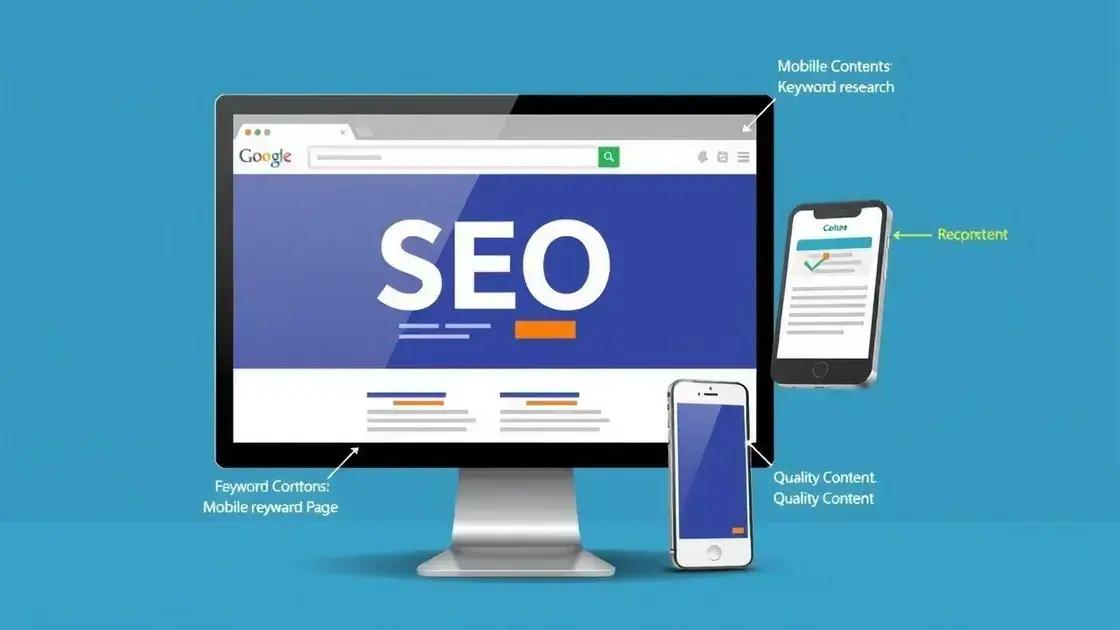
Optimizing landing pages for SEO is a fundamental part of any successful digital strategy. An optimized landing page can help increase your visibility in search engines, attracting more qualified visitors.
1. Keyword Research
Keyword research is the first step toward effective optimization. It’s essential to identify which terms your target audience is searching for. Use tools like Google Keyword Planner to discover relevant words you can incorporate into your content.
2. URL Structure
Your URL structure should be simple and descriptive. Clear URLs help both users and search engines understand what the page offers. Try to include your main keyword in the URL and avoid unnecessary characters.
3. Quality Content
- Content should be valuable and relevant to the visitor.
- Integrate keywords naturally into the text, avoiding SEO overload.
- Use subheadings and lists to make reading easier.
In addition, using optimized images is essential for SEO. Images should have descriptions and alt tags that include your keywords, helping with image search indexing while also improving the user experience.
Another crucial aspect is mobile optimization. With smartphone use on the rise, making sure your landing page is responsive can positively impact your Google ranking. Pages that don’t adapt well to mobile devices can have a high bounce rate, hurting your position in search results.
A/B Testing: What It Is and How to Use It
A/B tests are a powerful tool for comparing two versions of a page or element to determine which one performs better. With these tests, you can make informed decisions based on real data.
The Goal of A/B Testing
The main goal of A/B testing is to improve your conversion rate. By testing different versions, you can identify which elements attract your audience most and increase engagement. This can include changes to headlines, colors, images or even the page structure.
How to Run an A/B Test
- Choose the element you want to test, like a button or a piece of copy.
- Create two versions: version A (control) and version B (variant).
- Split your traffic evenly between the two versions to ensure unbiased results.
- Analyze the results after a set period and see which version performed better.
Running A/B tests requires attention and planning. The number of visitors is crucial; you need enough volume to get meaningful results. It’s also vital to clearly define which metric you’ll use to measure the test’s success, such as button clicks or form completions.
After analyzing the results, implement the version that performed better. Remember that testing should be an ongoing process. What works today may not work tomorrow, so always be willing to test new ideas.
Analyzing Conversion Metrics
Analyzing conversion metrics is a fundamental part of understanding how effective your landing pages are. These metrics reveal how users interact with your content and help identify areas that need improvement.
What Are Conversion Metrics?
Conversion metrics represent the percentage of visitors who take a desired action, like filling out a form or making a purchase. This analysis is essential for measuring the success of your marketing strategies.
Key Metrics to Analyze
- Conversion rate: The percentage of visitors who actually complete the desired action.
- Cost per conversion: The investment needed to win one conversion. This metric helps evaluate your campaign’s efficiency.
- Average order value: Measures how much customers spend on average, offering insights into profit potential.
It’s also crucial to track average time on page. This metric shows how long, on average, visitors spend on your landing page. A longer time may indicate your content is engaging, while a short time may suggest something isn’t appealing to visitors.
Using tools like Google Analytics can make collecting and analyzing these metrics easier. With this data in hand, you can make informed adjustments, continuously improving your landing page’s performance and increasing conversion rates.
FAQ – Frequently Asked Questions About Analyzing Conversion Metrics
Why is it important to analyze conversion metrics?
Analyzing conversion metrics helps you understand how users interact with your landing page and identify areas for improvement.
What are the main conversion metrics to monitor?
The main metrics include conversion rate, cost per conversion, average order value and average time on page.
How do I run A/B tests to improve conversion?
Run A/B tests by creating two versions of an element and splitting traffic evenly between them, analyzing which version performs better.
What tools can I use to monitor conversion metrics?
Tools like Google Analytics and Hotjar are great for monitoring and analyzing conversion metrics, helping you make data-driven decisions.