New 2026 Regulations: Online Businesses and $2,000 Fines

Anúncios
The e-commerce landscape is constantly evolving, and with it, the legal framework that governs online businesses. 2026 is approaching, bringing a set of new regulations that promise to significantly impact how digital companies operate. To avoid fines that can reach $2,000 and keep your business sustainable, it’s crucial to stay on top of these changes and prepare properly. This article is your complete guide to understanding the new regulations for online businesses in 2026.
Anúncios
The digital age has brought countless opportunities, but also complex challenges, especially when it comes to data protection, consumer rights and fair competition. Lawmakers and regulators have been working to create a safer, more transparent digital environment for everyone involved. The new regulations for online businesses aim to close existing gaps and strengthen consumer trust in the digital environment.
Many digital entrepreneurs may feel overwhelmed by the amount of information and the complexity of the laws. However, ignoring these changes isn’t an option. Compliance isn’t just a legal obligation but also a competitive advantage, building a reputation for trustworthiness and responsibility. Companies that anticipate and adapt quickly will be in a much stronger position to thrive in the market.
In this article, we’ll explore in detail the main pillars of the new regulations for online businesses taking effect in 2026. We’ll cover everything from data privacy and information security to advertising rules, consumer rights and taxation. Our goal is to provide a clear, practical overview so you can prepare your online business for the future, ensuring compliance and avoiding significant financial penalties.
Anúncios
The Current Landscape of Online Business Regulations
Before diving into what’s new for 2026, it’s essential to understand the current regulatory landscape. There is already a range of laws and rules that directly affect digital businesses. Privacy laws such as the CCPA, consumer protection laws enforced by the FTC and general internet governance rules are prominent examples that set the foundation for operating online.
Data Privacy Laws (Such as the CCPA)
Privacy laws such as the California Consumer Privacy Act (CCPA) set clear rules on the collection, storage, processing and sharing of personal data. For online businesses, these laws require transparency, giving users control over their data, robust security measures and, in many cases, clear processes for handling privacy requests. Non-compliance can already lead to significant penalties, assessed per violation.
Consumer Protection Laws
Consumer protection laws apply to all consumer relationships, including those carried out online. They guarantee basic consumer rights, such as the right to clear, accurate information, clear return and cancellation terms, protection against deceptive and unfair advertising, and accountability across the supply chain. The regulations for online businesses for 2026 complement and reinforce these principles.
Internet Governance Rules
Internet governance rules establish principles, guarantees, rights and duties for internet use. They address topics such as user privacy and the responsibilities of online platforms and service providers. Although broader in scope, their principles are crucial to understanding the digital regulatory environment.
The Main New Online Business Regulations in 2026
2026 promises to bring refinements and expansions of these existing laws, as well as new guidelines. The new regulations for online businesses will focus on critical areas such as advanced data protection, fighting misinformation, taxation of digital services and fair competition.
1. Stronger Data Protection and Privacy
Although privacy laws are already in force, stronger data protection rules are expected, with more enforcement and more specific guidelines for sectors such as healthcare, finance and online education. The new regulations for online businesses may include:
- Improved Data Portability: Making it easier for users to transfer their data between different platforms and services.
- Mandatory Anonymization and Pseudonymization: Stricter requirements for using these techniques to protect data in research and analytics.
- Periodic Security Audits: Possible requirements for independent information security audits for companies that handle large volumes of sensitive data.
- Granular Consent: More detailed requirements for user consent, letting users choose exactly which purposes their data will be used for.
2. Fighting Misinformation and Illegal Content
The spread of fake news and illegal content is a growing concern. The new regulations for online businesses for 2026 will likely bring greater responsibility for digital platforms in content moderation. This may include:
- More Effective Reporting Mechanisms: Platforms will need to offer clear, efficient channels for reporting illegal or misleading content.
- Algorithm Transparency: Greater transparency requirements on how algorithms recommend content, especially on social networks and news platforms.
- Fast Removal of Illegal Content: Shorter deadlines for removing content that breaks the law, such as hate speech, fraud or content that incites violence.
3. New Rules for Advertising and Digital Marketing
Online advertising has come under scrutiny because of practices that aren’t always transparent. The new regulations for online businesses will seek to ensure greater clarity and honesty in digital campaigns:
- Clear Labeling of Sponsored Content: Requirements for more visible, unambiguous labels on posts, videos and articles that are paid or sponsored.
- Restrictions on Advertising to Children: Possible bans or severe restrictions on data collection and advertising targeted at minors.
- Cracking Down on Dark Patterns: Interface design practices that lead users into unintended decisions (like signing up for services or sharing data) will be more strictly enforced and subject to fines.
4. Regulation of Digital Platforms and the Sharing Economy
Companies that act as intermediaries (marketplaces, ride-hailing apps, etc.) will have expanded responsibilities. The new regulations for online businesses may cover:
- Liability for Third-Party Products and Services: Greater platform responsibility for products or services offered by sellers or service providers on their platforms.
- Fair Terms for Partners: Fairer contract terms for the individuals and small businesses that depend on these platforms to earn a living.
- Transparency in Reviews and Rankings: Requirements for greater transparency about how product/service reviews and seller rankings are determined.
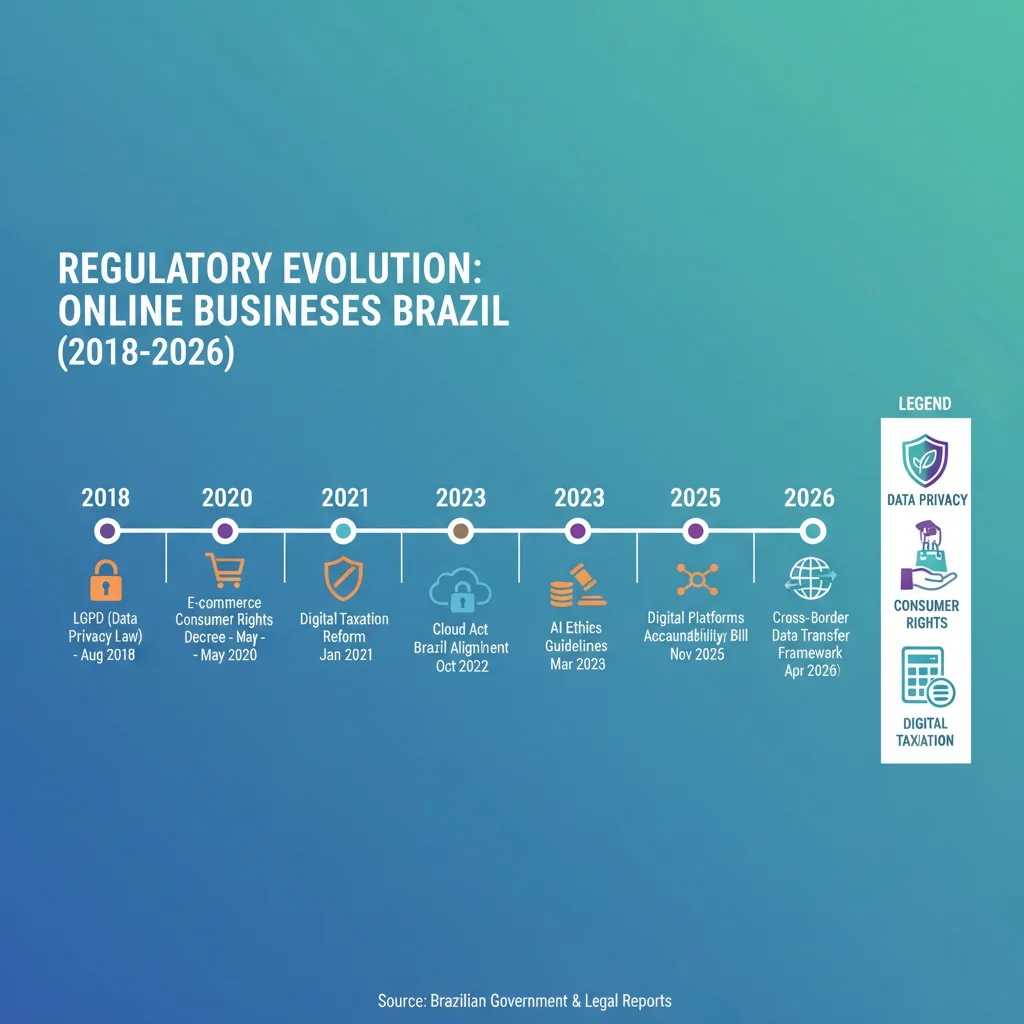
Impact of the New Online Business Regulations: Fines of Up to $2,000
Fines are the main mechanism for ensuring compliance with the new regulations for online businesses. The $2,000 figure mentioned in the title isn’t an arbitrary limit but an indication of the potential penalties for specific violations, which can range from daily fines to fixed amounts per violation. It’s essential to understand that these fines can add up, quickly escalating to much larger amounts depending on the severity and recurrence of the violation.
Types of Violations and Penalties
- Privacy Law Violations: Privacy laws such as the CCPA allow penalties per violation, which can add up quickly. Failing to comply with new data privacy guidelines in 2026 can easily trigger these penalties.
- Consumer Protection Violations: Unfair practices, deceptive advertising and failure to honor return or cancellation rights, among others, can result in enforcement by the FTC and state attorneys general, as well as damages claims.
- Misinformation and Illegal Content: Platforms that don’t act proactively in moderating content may be held accountable, facing fines and even service restrictions in extreme cases.
- Non-Transparent Advertising: A lack of clarity in labeling sponsored content or the use of dark patterns can lead to fines and an obligation to change marketing practices.
Beyond financial fines, non-compliance can cause other significant harm, such as damage to brand reputation, loss of customer trust, business interruption and even lawsuits from consumers or regulators. For online businesses, where trust and image are crucial, the consequences can be devastating.
How Your Online Business Can Prepare for 2026
Preparing for the new regulations for online businesses of 2026 should start now. Taking a proactive approach is the key to ensuring compliance and avoiding unpleasant surprises. Here are the essential steps:
1. Conduct a Compliance Audit
The first step is to assess where your business currently stands in relation to existing laws and the expectations of the new regulations. This includes:
- Data Mapping: Identify all the personal data your business collects, where it’s stored, how it’s processed and who it’s shared with.
- Review Privacy Policies and Terms of Use: Make sure your policies are clear, accessible and reflect current and future data collection and use practices.
- Information Security Assessment: Check whether your security measures are robust enough to protect data against unauthorized access, leaks and other incidents.
- Marketing Practices Review: Review your digital marketing campaigns to make sure they’re transparent and comply with advertising rules.
2. Invest in Technology and Security
Technology plays a crucial role in compliance. Consider investing in:
- Consent Management Platforms (CMPs): Tools that help manage user consent for cookies and other tracking technologies.
- Anonymization and Pseudonymization Solutions: To protect data in analytics and research.
- Cybersecurity Tools: Firewalls, intrusion detection systems, data encryption and employee security training are indispensable.
- Content Monitoring Systems: If your platform allows user-generated content, consider tools to help with moderation.
3. Train Your Team
Compliance is everyone’s responsibility. Educate your team about the new regulations for online businesses, especially those who deal directly with customer data, marketing or product development. Training should cover:
- Principles of the CCPA and other data protection laws.
- Information security best practices.
- Consumer rights in the digital environment.
- How to identify and handle illegal or misleading content.
4. Stay Up to Date and Consult Experts
The regulatory landscape is dynamic. It’s essential to continuously monitor legislative updates. Also consider hiring legal advisors who specialize in digital law and data protection to keep your business ahead.
5. Develop an Incident Response Plan
Even with every precaution, incidents can happen. Have a clear plan for how your company will respond to data breaches, consumer complaints or other violations of the new regulations for online businesses. This includes:
- Communication protocols with authorities and affected users.
- Damage mitigation procedures.
- Processes to investigate and fix the root cause of the incident.

Case Studies and Best Practices
To illustrate the importance of compliance, we can look at companies that have faced regulatory challenges. Global companies, for example, have already been fined millions for failing to comply with data privacy regulations like the GDPR in Europe. Although fines in the U.S. may differ in scale, the principle is the same: non-compliance is costly.
Best Practices to Adopt:
- Privacy by Design: Build privacy and security into products and services from the design stage.
- Full Transparency: Always be clear with your users about how you collect, use and protect their data.
- Easy Exercise of Rights: Make it simple for users to exercise their rights (access, correction, deletion of data).
- Culture of Compliance: Foster an internal culture where regulatory compliance is seen as a core business value.
Conclusion: The Future of Online Businesses
The new regulations for online businesses taking effect in 2026 represent an important step in the maturity of the digital environment. They aim to protect consumers, ensure fair competition and promote a more ethical, secure use of technology. For entrepreneurs, this means continuous adaptation and an unwavering commitment to compliance.
Ignoring these changes isn’t just risky; it’s unsustainable in the long run. Fines of up to $2,000 (and potentially much more) are a stark reminder of the consequences of non-compliance. On the other hand, companies that embrace these regulations as an opportunity to build greater trust and accountability will be well positioned for success in a dynamic digital market.
Start preparing today. Evaluate your processes, invest in technology and training, and always stay one step ahead. The future of online businesses is one of greater regulation, but also of greater security and trust for everyone. Adapt and thrive!