Learn Dropshipping: The Essential Guide to Sales Management and Processing
Anúncios
Defining the Dropshipping Business Model and How It Works
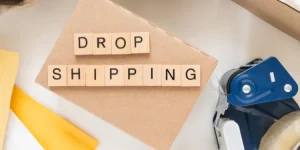
Dropshipping is an innovative business model in which the retailer doesn’t keep the products it sells in stock.
Instead, when a sale is made, storage, packing, and shipping are outsourced to a supplier.
Anúncios
This means that when a customer places an order, the retailer passes the order details on to the supplier, which then ships the products directly to the customer.
This eliminates the need for the retailer to handle physical products directly or manage the supply chain.

Anúncios
Understanding the Key Players: Manufacturers, Suppliers, and Retailers
In dropshipping, three main players make up the supply chain:
-
🏭 Manufacturers: They’re responsible for producing the products. Manufacturers usually sell in large volumes to suppliers rather than directly to retailers or end consumers.
-
📦 Suppliers: They buy products from manufacturers in large quantities, add a markup, and sell them to retailers. Suppliers also handle all the logistics, from storage to shipping products to consumers.
-
🛒 Retailers: They sell the products to end consumers. Retailers build their online stores, list the products offered by suppliers, and are responsible for customer service. When a customer makes a purchase, the retailer notifies the supplier, which then processes and ships the order directly to the customer.
Dropshipping vs. Traditional Retail
Compared with traditional retail, dropshipping has some crucial differences:
- Inventory: In traditional retail, the retailer buys products in advance and stores them until they sell. With dropshipping, there’s no need to hold inventory.
- Startup Investment: Traditional retail requires a significant investment in inventory, storage, and logistics. By contrast, dropshipping requires a much smaller startup investment, since inventory and logistics are handled by the supplier.
- Scalability: Traditional retail demands more resources and infrastructure to scale. With dropshipping, scaling is easier because the supplier handles storage and shipping, letting retailers focus on growing the business without worrying about logistical constraints.
With these fundamental concepts in mind, we can better understand why dropshipping has become an attractive option for many new entrepreneurs.
Advantages of the Dropshipping Model
Low Startup Investment and Reduced Operating Costs
The dropshipping model is highly attractive because of its low startup cost.
Unlike traditional retail, you don’t need to invest significant capital in inventory. That’s because dropshipping suppliers handle storage and inventory management.
This means you can start your business on a limited budget in a practical, affordable way.
In addition, operating costs are significantly lower.
Since you don’t have to pay warehouse rent or hire a large team to manage inventory, your fixed expenses are minimal.
This makes it easy to run a dropshipping business from home, cutting costs even further.
Easy to Start and Scale
Dropshipping’s simplicity extends to getting started.
With just a laptop and an internet connection, you can create your online store and start selling products.
There’s no need to worry about complicated logistics, since storage, packing, and shipping are all handled by suppliers.
This simplicity also makes the business easy to scale. You can add new products to your catalog without worrying about extra storage or logistics.
This allows your business to grow quickly to meet demand in an ever-changing market.
For example, if your supplier introduces new items, you can add them to your store immediately at no extra cost.
Flexibility in Product Offerings and Catalog Management
Dropshipping offers immense flexibility when it comes to managing your product catalog.
You can test new products without significant risk, since you don’t need to buy large quantities of inventory in advance.
This lets you respond quickly to market trends and customer preferences.
You can also diversify your products without a large investment.
If a product isn’t selling well, you can easily remove it from your catalog and replace it with another without financial loss.
This flexibility lets you keep your store up to date and aligned with your customers’ needs.
By maximizing the advantages of dropshipping, you can focus more on marketing strategy and customer service, which are essential to success.
The model’s operational simplicity gives you the freedom to explore new business opportunities and grow sustainably.
Dropshipping Challenges and Limitations
Although dropshipping is attractive for its advantages, it isn’t without challenges and limitations.
To navigate this business model successfully, it’s essential to understand the main obstacles you may face.
Thin profit margins and fierce competition
One of the biggest drawbacks of dropshipping is low profit margins.
Because anyone can start a dropshipping business with little upfront investment, the market is highly competitive.
Many sellers compete for the same customers, which often leads to price wars.
Sellers end up cutting product prices to attract more customers, directly affecting profit margins.
In addition, because the startup investment is low, many dropshipping businesses can operate on minimal margins, focusing on sales volume rather than profit per unit.
This can make it hard to keep the operation profitable, especially for new market entrants.
Logistical complexity and delivery times
Logistical complexity is another significant limitation of dropshipping.
Since suppliers are responsible for storage and shipping, any logistical problem they face can directly affect your customer’s experience.
Shipping delays are common, especially when dealing with international suppliers.
Depending on the country of origin and destination, delivery times can vary enormously, delaying customer gratification and potentially hurting your store’s reputation.
Additional problems include wrong items being shipped, products damaged in transit, and difficulties managing returns, which vary from supplier to supplier.
These complications can hurt customer satisfaction and lead to financial losses.
Managing supplier relationships and service quality
Managing supplier relationships is crucial and, at the same time, one of the most challenging aspects of dropshipping.
A supplier’s service quality can vary, and finding trustworthy suppliers that offer consistently good products is often difficult and time-consuming.
Supplier errors, such as order processing failures or missing or poorly packed items, are problems you’ll have to resolve directly with customers.
In addition, working with multiple suppliers can make management even more complex, increasing the risk of inconsistent service.
The quality of your supplier relationships directly impacts your business operations.
Carefully evaluating these partners, taking into account their fees, order minimums, customer support, and responsiveness, is essential for reducing complications and ensuring efficient operations.
In short, dropshipping success requires a strategic approach to overcome the model’s inherent challenges and limitations.
Understanding these difficulties well will help you make more informed decisions and build a more robust, efficient operation.
The Dropshipping Operational Process
The Complete Flow from Customer Order to Final Delivery
An efficient operational process is essential to dropshipping success.
The cycle begins when a customer places an order in your online store.
Here’s a summary of the process steps:
- Order Received: As soon as the customer makes a purchase, the online store notifies the retailer of the new order. An order confirmation email is usually sent to the customer.
- Payment Processing: Payment is processed automatically at checkout and transferred to the retailer’s bank account.
- Order Sent to the Supplier: The retailer then places the order with the supplier. This may involve updating the status through a digital interface between the store and the supplier.
- Packing and Shipping: The supplier packs the product and ships it directly to the customer’s address, including tracking details.
- Final Delivery: The customer receives the product, and the retailer is notified of the delivery.
Integrating Your Online Store, Suppliers, and Payment Systems
Efficient integration between your online store, suppliers, and payment systems is crucial for dropshipping to run smoothly.
Tools such as automation apps can make it easier to sync inventory, process orders, and communicate with suppliers.
Using reliable payment platforms also ensures secure transactions, strengthening customer trust in your business.
Inventory Management and Order Processing
Although one of dropshipping’s main advantages is not having to hold inventory, efficient management of orders and your product catalog remains essential:
| Task | Description |
|---|---|
| 🔄 Inventory Syncing | Maintain constant communication with suppliers to make sure stock levels are always up to date, avoiding sales of out-of-stock products. |
| 📑 Catalog Updates | Add or remove products from your catalog as suppliers’ inventory changes, keeping the catalog current at all times. |
| 🤖 Process Automation | Use automation systems to reduce manual errors and speed up order processing for a more efficient workflow. |
By properly managing these operational aspects, you can ensure a smooth shopping experience for customers, from the moment they order until delivery.
Keep your operations finely tuned and always look for ways to optimize each step to deliver high-quality service.
By following this path, you’ll be well prepared to handle challenges and grow in the dropshipping market.
Managing Returns and Customer Service
In the dropshipping model, effectively managing returns and customer service is fundamental to maintaining customer satisfaction and your store’s reputation.
This section covers how to establish clear return policies and refund procedures, how to communicate effectively with customers, and how to resolve problems and manage the customer experience.
Return Policies and Refund Procedures
Developing a clear, accessible return policy is essential for earning customer trust.
It should be easy to find on your store’s website, detailing the processes and deadlines for returns and refunds. One approach to consider is offering “returnless refunds,” where the customer receives a refund without having to send the item back. This can simplify the process and improve the customer experience.
However, it’s crucial to align these policies with your suppliers’ practices, since each may have different rules for returns and restocking fees.
Communicating Effectively with Customers
Throughout the returns and customer service process, maintaining clear, transparent communication is fundamental.
Set up support channels that can provide fast, helpful answers, such as email, live chat, or social media. When updating customers on the status of returns and refunds, it’s crucial to be proactive to avoid unnecessary dissatisfaction.
Using automated tools to send notifications about order and return updates can significantly improve the customer experience.
Problem Resolution and Customer Experience Management
Problems are inevitable, but how quickly and effectively they’re solved can shape customers’ perceptions over time.
Having a well-structured process for resolving complaints, such as damaged or undelivered products, and offering compensation when appropriate are important steps for maintaining customer satisfaction and loyalty.
Creating a customer-centric approach, where feedback is heard and taken into account for future improvements, is also essential.
To maintain high service standards and a positive experience, it’s important to regularly monitor supplier performance and align expectations for handling returns and customer service.
By mastering these aspects, you’ll be better prepared to deliver an excellent shopping experience and maintain healthy customer relationships, ensuring your business’s continued success.
Strategies for Dropshipping Success
Carefully Selecting Reliable Suppliers
Choosing suppliers is a critical step for dropshipping success. A good supplier should be reliable, offer quality products, and be quick with logistics.
To make the best choice, follow these tips:
-
📢 Research Reviews and Feedback: Check the supplier’s reputation on review platforms and specialized forums. Other store owners’ opinions can provide valuable insights into the reliability and quality of the products offered.
-
🛍️ Test Product Quality: Request product samples to personally evaluate quality and check whether they meet your standards. If a supplier refuses to send samples, that can be a red flag.
-
🔄 Review Return and Refund Policies: Check whether the supplier’s return and refund policies are fair and aligned with your customers’ expectations. Clear, consumer-friendly policies can prevent conflicts and improve the shopping experience.
-
🚚 Check Fulfillment Capacity: Assess whether the supplier has the infrastructure to meet your business’s demand and can scale operations as sales grow. This includes analyzing production capacity, logistics, and customer support.
These steps help prevent future customer dissatisfaction and ensure smoother operations.
Optimizing the Unboxing and Delivery Experience
The unboxing experience is a crucial moment for making a good impression on the customer.
A few practices can enrich this experience:
-
📦 Quality Packaging: Use packaging that protects the product well and conveys your brand image.
-
🎁 Attention to Detail: Include thank-you cards, user guides, or samples of other products.
-
🚚 Order Tracking: Provide detailed tracking information so customers can follow their shipment.
-
⚡ Fast Delivery Service: Choose suppliers that guarantee fast delivery times and meet them.
Investing in the unboxing experience can generate positive word of mouth and build customer loyalty.
Monitoring and Continuously Improving Operational Processes
For sustainable dropshipping success, it’s essential to continuously monitor and refine your operational processes.
Here are some recommended practices:
-
📊 Data Analysis: Use analytics tools to monitor key metrics, such as order processing time and return rate.
-
💬 Customer Feedback: Collect and analyze customer feedback to identify areas for improvement.
-
🔄 Regular Supplier Reviews: Periodically review your suppliers’ performance and replace those that don’t meet your requirements.
-
🔗 Systems Integration: Use software that makes it easy to integrate your online store, suppliers, and payment systems, streamlining your workflow.
Focusing on these areas will help reduce errors, improve efficiency, and increase customer satisfaction.
Implementing these strategies is an important step toward keeping your dropshipping business competitive and growing.