SPC in 2026: How to Check Your CPF and Clear Your Name Safely
Anúncios
🧾 What does it mean to have your name in SPC?
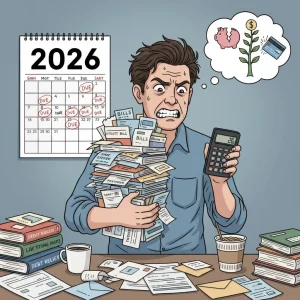
Having your name listed in the Serviço de Proteção ao Crédito (SPC), one of Brazil’s main credit bureaus, means there’s an active debt linked to your CPF (Brazilian taxpayer ID). This happens when a company reports to the system that a certain payment — such as a utility bill, loan, financing or credit card — hasn’t been paid. That information then appears in credit databases, directly affecting your credit score and reducing your chances of getting new financing, loans or installment plans.
🔍 How do you check whether your name is in SPC?
1. Go to the official SPC Brasil website
Visit the SPC Brasilportal. Right on the home page, you’ll find the option to check your CPF. Click there to start checking for outstanding debts.
Anúncios
2. Choose the type of lookup
SPC Brasil offers more than one type of lookup, depending on your needs:
- Essential Lookup: lets you quickly find out whether there are any debts linked to your CPF.
- Advanced Lookup + Score: in addition to outstanding debts, it shows your credit score, which reflects how much lenders trust your ability to pay.
Choose the option that best fits your goal.
3. Create an account or log in
To see your results, you need to sign up for free on the website, entering basic information like your CPF, full name, date of birth and email. If you already have an account, just log in with your username and password.
Anúncios
4. Fill in the requested information
Once you’re logged in, enter your personal information correctly and, if prompted, complete the payment if you chose a more detailed lookup. Make sure you enter everything correctly to avoid errors in your results.
5. Check the results
After the review, the system will show whether your name has any default records. If it does, you’ll see the creditor’s name, the amount owed and the debt’s due date. This information is essential for starting the process of negotiating and clearing your name.
🧹 How do you clear your name with SPC?
1. Confirm the debt
After checking your CPF, identify exactly which company reported the debt and the amount listed. It’s important to confirm that the debt is really yours and that the information shown is correct.
2. Contact the creditor
With the information in hand, reach out directly to the company that reported the debt. Negotiate an agreement that fits your budget — many companies offer significant discounts for lump-sum payment or special installment terms.
3. Get the agreement in writing
Once you reach an agreement, ask for it to be documented. Request an official receipt or contract describing the amounts, deadlines and terms. This prevents misunderstandings and gives you legal protection when you pay off the debt.
4. Make the payment correctly
Pay as agreed and keep all your receipts. They’ll serve as proof if there are disputes later or if your name isn’t removed from the registry on time.
5. Request removal of your name from SPC
After you pay off the debt, the company has up to five business days to request removal of your name from the default registries. Stay alert and follow the process until removal is confirmed.
6. Monitor your status regularly
Keep monitoring your CPF and stay current on your payments. Besides preventing new flags, this habit gradually helps improve your Credit Score, making future credit approvals easier.
📱 Lookups with the SPC Consumidor app
For those who prefer convenience, SPC Brasil offers the SPC Consumidorapp, available for Android and iOS. With the app, you can check your CPF, see your Credit Score, track negotiations and manage your financial health conveniently and securely, without needing a computer.
⚠️ Important tips
- Check your CPF often: regular lookups help you spot outstanding debts before they cause bigger problems.
- Avoid fraud: only use SPC Brasil’s official channels and be wary of websites or messages asking for personal information.
- Keep your information up to date: accurate information makes it easier for companies to reach you and speeds up resolving debts.
Remember: taking care of your financial history is essential for maintaining a good credit reputation and getting access to better payment and financing terms.
GO TO THE OFFICIAL SERASA SITE