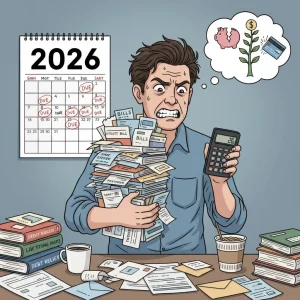
Debt Reduction Plans for Young Adults

Anúncios
Debt reduction plans for young adults include creating a budget, negotiating directly with creditors and using credit alternatives, aiming for balanced, sustainable financial health.
Debt reduction plans for young adults are essential for anyone just starting out financially. Have you ever felt overwhelmed by debt? Let’s explore how to find practical solutions that can make your day-to-day life easier.
Anúncios
Understanding the Importance of Financial Planning
Understanding the importance of financial planning is fundamental for any young adult. Planning not only helps you organize your income and expenses but also lets you visualize your financial goals. Visualizing your goals is essential for staying focused and motivated.
What Is Financial Planning?
It’s the process of defining where you want to go financially and how you’ll get there. By creating a plan, you can identify unnecessary spending and prioritize your needs. With the right tools, managing your finances becomes much easier.
Anúncios
Benefits of Financial Planning
- It lets you make conscious financial choices.
- It helps you avoid excessive debt.
- It makes it easier to achieve dreams like buying a car or going to college.
- It offers security and peace of mind when the unexpected happens.
By planning your finances, you also empower yourself to handle any situation. With a budget, for example, it’s easier to understand where to spend and where to save. This can make all the difference when unexpected expenses come up.
Financial planning also involves learning about investing. Learning to invest even small amounts can generate significant returns over the long term. Financial discipline is what makes the difference.
For young people just starting out, building an emergency fund may seem hard, but it’s not impossible. Start with small goals and increase them as you feel comfortable. What matters is taking the first step and keeping going.
In conclusion, financial planning is a skill every young person should develop. With this practice, you can achieve financial independence and a more balanced life.
How to Create an Effective Budget
Creating an effective budget is an essential step toward financial stability. A good budget isn’t just a list of expenses — it’s a tool that helps you understand your spending habits. It lets you see where you can save and how you can reach your financial goals.
Steps to Create an Effective Budget
To start, identify your sources of income. Knowing how much you earn each month is the first step. Then write down all your fixed expenses, like rent and bills. This will help outline your monthly expenses.
Categorizing Your Expenses
- Fixed expenses: bills that don’t change, like rent and loan payments.
- Variable expenses: costs that can change, like food and entertainment.
- Occasional expenses: costs that come up sporadically, like car maintenance.
With this information in hand, you can organize your finances more efficiently. The idea is to see clearly where you can cut back. For example, consider avoiding impulse purchases. Ask yourself whether you really need something before buying it.
A recommended practice is to review your budget monthly. This lets you adjust any expenses and improve the accuracy of your financial plan. Remember that a budget is a living document, always subject to change as your needs and goals evolve.
Finally, an app or spreadsheet can be a big help in keeping track of your budget. This technology lets you see your expenses in real time, making it easier to monitor your finances. Creating an effective budget doesn’t have to be complicated. With discipline and the right tools, you can keep your finances under control.
debt negotiation strategies

Smart debt negotiation strategies are essential for anyone looking to get rid of financial obligations that have become a burden. Negotiating not only helps reduce the amount owed but can also prevent future complications. A good negotiation can bring relief and make room for better financial planning.
Preparing to Negotiate
Before going into any conversation, it’s crucial to prepare. Start by taking a full inventory of your debts. Knowing the exact amount, interest rate and payment terms is the first step toward effective negotiation. Also, be aware of how much you can afford to pay each month.
Negotiation Techniques
- Be honest about your financial situation.
- Explain that you’re looking for payment alternatives.
- Ask for a lower interest rate or smaller installments.
- Consider offering a lump-sum payment if possible.
During the negotiation, staying calm and being respectful is essential. The way you communicate can make all the difference. Another tip is to be willing to listen to the other side’s proposals, as this can lead to a more favorable agreement.
A useful tactic is to put the agreement in writing. Documenting the terms of the negotiation ensures both parties follow through on what was decided. This provides security for both the debtor and the creditor.
Finally, once you reach an agreement, it’s vital to stick to it. This shows commitment and can help restore a good relationship with the creditor. Plus, this attitude can open doors to future financial opportunities.
Credit alternatives for young people
Smart Credit alternatives for young people have become increasingly important, especially in a financial landscape that demands planning and responsibility. With accessible options, young people can get the support they need to launch their plans, whether that’s studying, buying a car or even starting a business.
Types of Credit Available
The first step is getting to know the various forms of credit that exist. It’s essential to understand how each one works. Among the options available, the main ones are credit cards, personal loans and financing. Each type has specific features and terms that may suit different needs.
Credit Cards
- They make everyday purchases easier.
- They may offer rewards and cash-back programs.
- It’s important to use them carefully to avoid debt.
Credit cards are a popular option, but it’s crucial to use them responsibly to avoid unpleasant surprises at the end of the month. There are also cards aimed specifically at young people, with lower limits and easier terms.
Personal Loans
Personal loans can be a viable alternative for those who need a larger amount. It’s important to compare interest rates and repayment terms before choosing this option. Many financial institutions offer loans to young people with lower interest rates.
Financing
- For purchasing assets such as vehicles and real estate.
- Usually requires a down payment and has long-term installments.
- It’s essential to plan carefully before taking on financing.
Financing is suited to buying higher-value assets, but it’s vital for young people to know exactly how they’ll cover the payments. Proper planning keeps financing from becoming a burden and keeps your finances healthy.
Finally, it’s always a good idea to read contracts carefully and understand the terms before closing any deal. This ensures you know exactly what you’re taking on and what your financial responsibilities are.
Tips for Maintaining Financial Health
Maintaining financial health is fundamental for any young person who wants a stable financial future. It involves not only controlling spending but also planning and saving for the future. A few practical tips can help with this process.
1. Create a Monthly Budget
A good budget is the foundation of a healthy financial life. It gives you clarity about your expenses and income. Write down all your spending and categorize it. This makes it easier to identify areas where you can save.
2. Set Financial Goals
- Define what you want to achieve financially.
- Have short- and long-term goals.
- Review your goals regularly.
Having clear goals helps you stay motivated and focused. Think about saving for a trip, buying a car or taking a course. This makes planning more interesting and rewarding.
3. Save a Percentage of Your Income
It’s recommended that you set aside at least 10% of your income for savings. You can increase this amount over time. Whenever you get paid, prioritize saving before spending. This helps build an emergency fund.
4. Avoid Unnecessary Debt
- Consider your options before buying on installment plans.
- Avoid using your credit card to buy things you don’t need.
- Learn to tell the difference between needs and wants.
Using credit mindfully can prevent financial problems in the future. Whenever possible, avoid financing unnecessary purchases, as this can lead to a tricky cycle of debt.
Finally, review your expenses periodically. Sometimes what was necessary in the past no longer is. Small changes in spending habits can lead to big savings over time. With these tips, you can achieve financial health in a sustainable, mindful way.
In short, financial strategies are essential for young adults to build solid financial health . Creating an effective budget, negotiating debt intelligently and knowing the credit alternatives available are fundamental steps. By following practical tips and staying focused on your goals, you can avoid financial traps and build a more secure future. It’s time to take control of your finances and secure a balanced financial life!
FAQ – Frequently Asked Questions About Financial Health for Young Adults
How can I start creating a budget?
Start by listing all your monthly income and expenses. Use apps or spreadsheets to make tracking easier.
What are the best strategies for negotiating debt?
Be honest about your financial situation and try to lower your interest rate or find a payment plan that fits your budget.
Is it important to have an emergency fund?
Yes, an emergency fund helps cover the unexpected without affecting your monthly budget and keeps you from going into debt.
Which credit alternatives are safest for young people?
Options like credit cards with controlled limits and low-rate personal loans are safe, as long as they’re used responsibly.